MODULE 6 ·
MINDSET & CONTROL

Trading Psychology
& Emotional Control

This module focuses on the part of trading that most people ignore: the mind running the system. You’ll see how emotions, bias, and expectations shape decisions—and how to build routines that keep you disciplined even when the market gets wild.

Lesson 6.1

Why Psychology Decides Your Results

A trading edge on paper is useless if your behaviour can’t execute it. Most big losses come from emotional decisions—moving stops, adding to losers, or chasing moves out of FOMO—rather than from the strategy itself.

Once you accept that psychology is part of the system, not separate from it, you can start designing rules, routines, and safeguards to protect yourself from your own impulses.
Lesson 6.2

The Trader Emotional Cycle

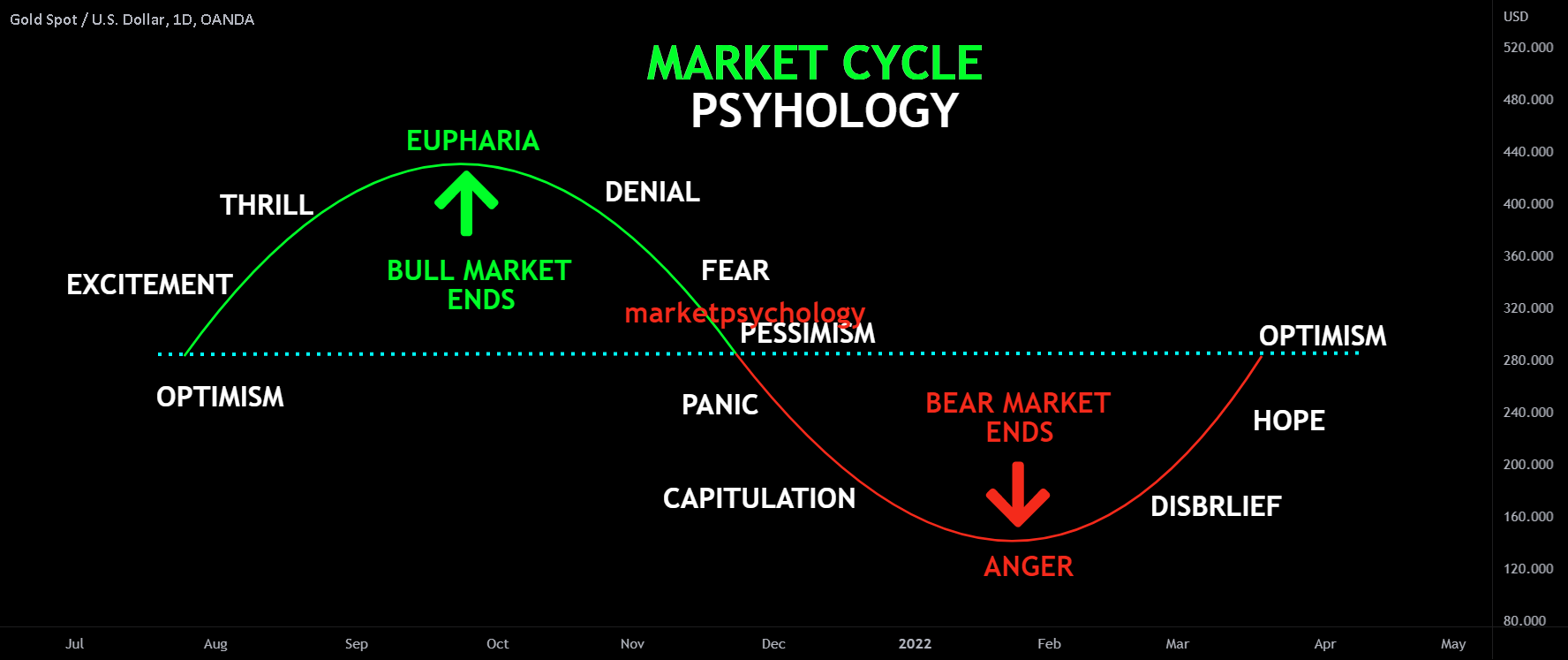
Most traders cycle through the same emotional stages: optimism, excitement, euphoria, anxiety, fear, capitulation, and finally recovery. These feelings often loop with every strong trend, making it easy to buy tops and sell bottoms.

Seeing this pattern clearly is the first step in stepping outside of it.

Trader emotional cycle curve showing stages from euphoria to capitulation and recovery
A typical trader emotional cycle: confidence and euphoria near tops, followed by fear, capitulation and slow recovery. Recognising the pattern helps you stop acting from the extremes.
Lesson 6.3

Bias, Expectation & Reality

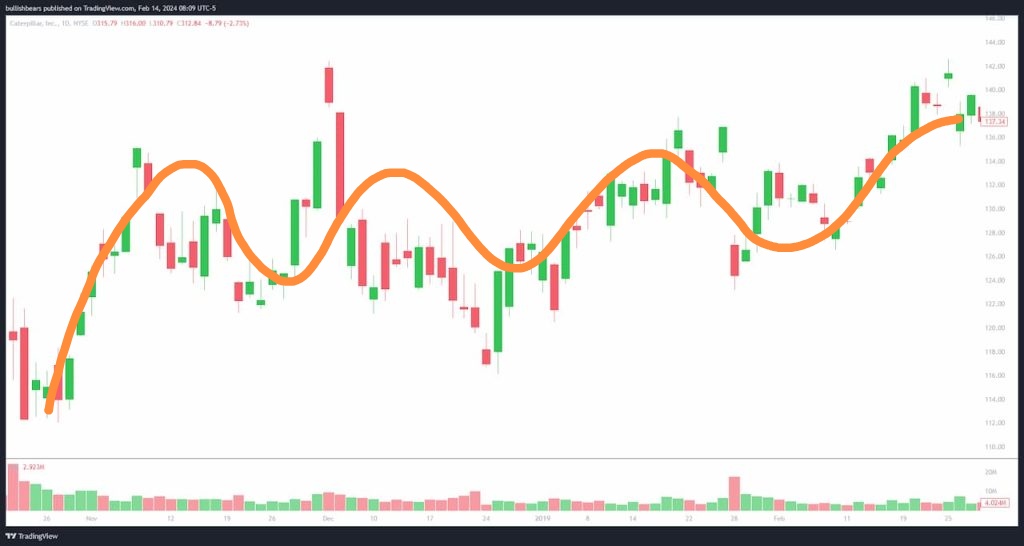
Most frustration comes from a mismatch between expectation and reality. In your head, price should move smoothly from entry to target. In reality, it moves in waves—spikes, pullbacks and noise on the way to the destination.

Aligning your expectations with how markets actually move removes a lot of emotional pressure and reduces the urge to over-manage good trades.

Side-by-side chart comparing a straight-line bias versus choppy real market movement
The orange line is the movement traders often expect, compared to the choppy, volatile reality of real price action that still reaches the same destination.
Lesson 6.4

Common Psychological Traps

Certain patterns repeat across almost all traders:

  • Revenge trading after a loss
  • Closing winners early and letting losers run
  • Overtrading when bored or excited
  • Changing the plan after a few losing trades

The solution is to recognise these as automatic responses and build specific counter-actions into your process.

Lesson 6.5

Building Emotional Checkpoints

Emotional checkpoints are predefined questions you ask yourself before you click anything. Examples include:

  • “Is this trade in line with my plan?”
  • “Am I reacting to the last trade or to the chart?”
  • “What happens if I simply skip this trade?”

These questions create a pause between feeling and action, which is usually enough to stop the worst mistakes.

Lesson 6.6

Designing a Sustainable Trading Routine

A sustainable routine keeps you sharp without burning you out. That includes fixed review times, clear start and stop times for trading, and rules around breaks after drawdowns or emotional spikes.

Over time, a consistent routine turns trading from something reactive and stressful into a set of habits you can actually trust.